Course Overview :
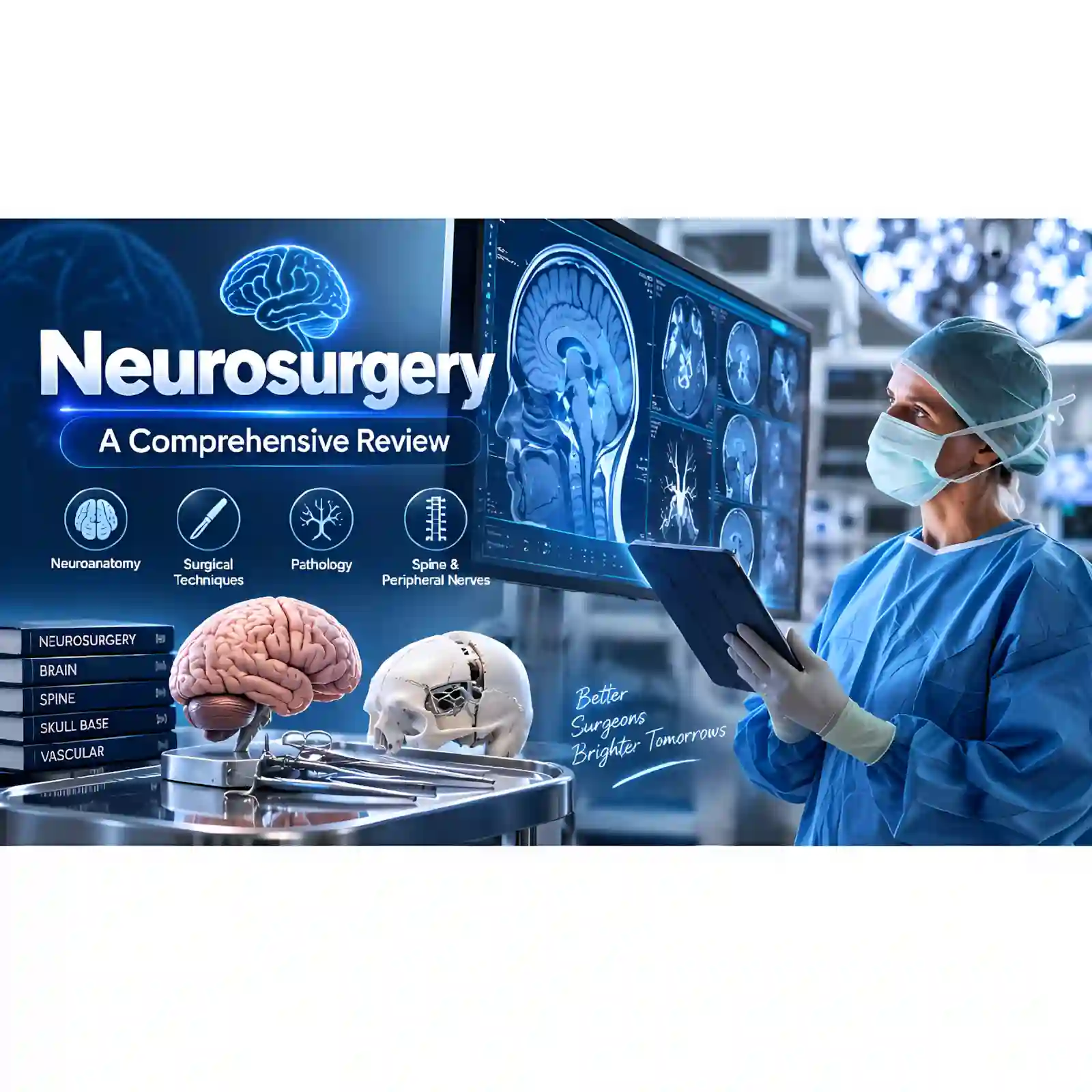
Neurosurgery – A Comprehensive Review is a comprehensive online video CME program covering the full spectrum of modern neurosurgical practice. Designed for physicians seeking to strengthen their clinical knowledge and surgical decision-making, the program provides an organized review of major neurosurgical subspecialties and clinically important conditions.
The course combines evidence-based principles, contemporary clinical approaches, and guideline-informed practice across vascular neurosurgery, neurotrauma, spinal surgery, peripheral nerve disorders, brain and spinal tumors, skull base surgery, pituitary disease, functional neurosurgery, and specialized neurosurgical conditions.
Through a broad range of focused educational sessions, participants can review essential diagnostic strategies, treatment approaches, surgical considerations, and advances in neurosurgical care.
Course Highlights
- Comprehensive coverage of major neurosurgical subspecialties
- Evidence-based and clinically focused content
- Review of contemporary diagnostic and treatment approaches
- Coverage of both technical and nontechnical aspects of neurosurgical practice
- Practical insights into complex neurological and neurosurgical conditions
- Suitable for clinical review, professional development, and examination preparation
- Includes vascular, trauma, spine, tumor, skull base, peripheral nerve, and functional neurosurgery topics
Topics Covered
Vascular Neurosurgery
This section reviews major cerebrovascular conditions and contemporary neurosurgical and endovascular approaches.
- Ischemic and hemorrhagic stroke
- Intracranial aneurysms
- Intracranial vascular malformations
- Moyamoya disease
- Contemporary carotid endarterectomy
- Cerebrovascular emergencies and endovascular management
Head Injury and Craniocerebral Trauma
A focused review of traumatic brain injury, including assessment, management, surgical considerations, and contemporary approaches to severe trauma.
- Closed head injury
- Concussion and sports-related head injury
- Blunt and penetrating paranasal sinus injuries
- Severe traumatic brain injury
- Decompressive craniectomy for traumatic brain injury
Spinal Surgery
Covers common and complex spinal conditions, trauma, and contemporary surgical techniques.
- Cervical spine trauma
- Thoracolumbar spine trauma
- Spine stabilization techniques
- Cervical, lumbar, and thoracic disc herniations
- Minimally invasive spine surgery
- Hydromyelia and syringomyelia
Peripheral Nerve Surgery
Reviews the diagnosis and surgical management of peripheral nerve disorders and injuries.
- Acute nerve injury and repair
- Peripheral nerve tumors and lesions
- Brachial plexus injuries and reconstructive strategies
- Compression neuropathies
- Surgical management of weakness and paralysis
- Restorative techniques
- Electrodiagnostic studies in the management of nerve injuries
Brain Tumors
A comprehensive review of important primary and metastatic brain tumors, including contemporary treatment strategies.
- Brain metastases and modern treatment approaches
- Malignant gliomas
- Meningiomas
- Low-grade gliomas
- Pineal region tumors
- Vestibular schwannomas
- Stereotactic radiosurgery for arteriovenous malformations
- Contemporary and emerging approaches to radiosurgical treatment
Spine and Spinal Cord Tumors
- Metastatic tumors of the spine
- Evaluation and management of spinal metastatic disease
- Surgical considerations in spinal tumors
Skull Base Surgery
This section addresses challenging skull base conditions and the surgical approaches used in their management.
- Skull base meningiomas
- Other skull base lesions
- Skull base surgical approaches
- Principles of skull base surgery
Pituitary Tumors and Craniopharyngiomas
Reviews the diagnosis and treatment of pituitary and sellar-region tumors, with emphasis on modern surgical techniques.
- Functioning pituitary tumors
- Non-functioning pituitary tumors
- Endoscopic pituitary surgery
- Endoscopic endonasal skull base surgery
- Craniopharyngiomas
Functional Neurosurgery
- Surgical treatment of epilepsy
- Movement disorder surgery
- Principles and applications of functional neurosurgery
Special Topics
The program also addresses selected genetic and complex neurological disorders with important neurosurgical implications.
- Neurofibromatosis
- von Hippel-Lindau disease
Learning Focus
By completing this comprehensive review, participants can strengthen their ability to:
- Recognize and evaluate a broad range of neurosurgical conditions.
- Apply evidence-based principles to neurosurgical diagnosis and management.
- Review contemporary surgical and endovascular treatment strategies.
- Understand the clinical assessment of traumatic brain and spinal injuries.
- Evaluate common and complex brain, spinal, and peripheral nerve tumors.
- Review modern approaches to skull base, pituitary, and craniopharyngioma surgery.
- Understand the principles of minimally invasive spinal surgery and peripheral nerve reconstruction.
- Develop stronger clinical reasoning and treatment-planning skills for complex neurosurgical cases.
- Refresh essential knowledge across major neurosurgical subspecialties for clinical practice and examination preparation.
Who Should Take This Course?
Neurosurgery – A Comprehensive Review is suitable for:
- Neurosurgery residents
- Neurosurgery fellows
- Practicing neurosurgeons
- Physicians involved in neurological and neurosurgical care
- Healthcare professionals seeking to strengthen their understanding of neurosurgical conditions
- Physicians preparing for neurosurgical examinations or comprehensive knowledge review
Comprehensive Neurosurgical Review
From cerebrovascular disease and traumatic brain injury to spinal surgery, peripheral nerve disorders, brain tumors, skull base lesions, pituitary tumors, and functional neurosurgery, this program provides a broad and structured review of essential neurosurgical knowledge.
With its emphasis on contemporary clinical practice, evidence-based management, and practical decision-making, Neurosurgery – A Comprehensive Review is designed to help physicians efficiently consolidate their knowledge and develop a stronger understanding of the diagnosis and treatment of complex neurosurgical conditions.