Format: 23 videos
Size: 18.12 GB
Release Year : 2025
Overview :
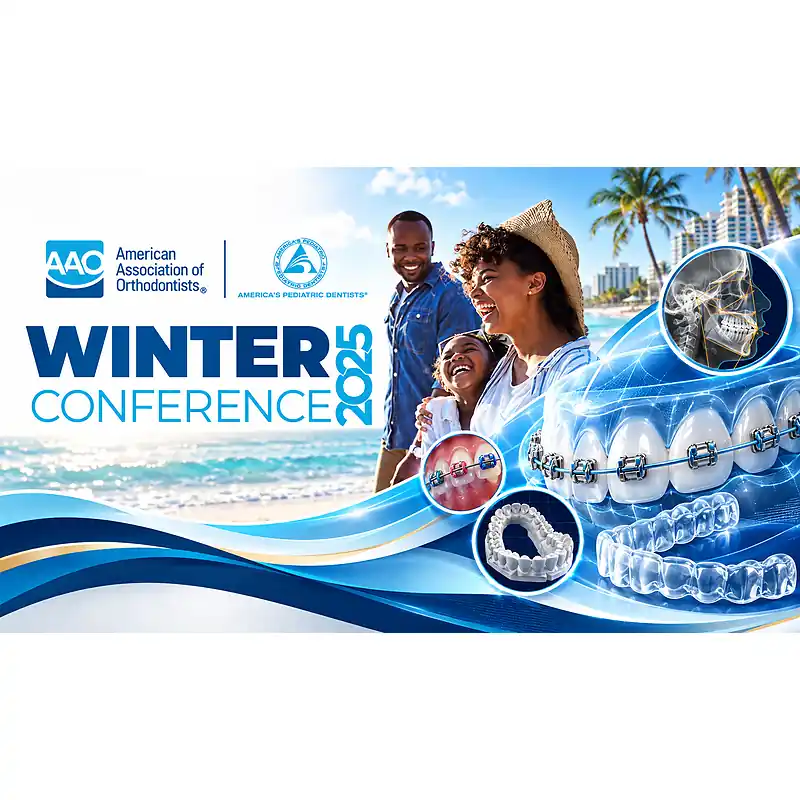
The AAO Winter Conference 2025: Ortho + Pedo Synergy is an interdisciplinary educational conference focused on the integration of orthodontics and pediatric dentistry in the care of growing children and adolescents. Centered on the theme From Small to Tall: Nurturing the Growth of Pediatric Dentistry and Orthodontics, the conference explores collaborative approaches to diagnosis, early intervention, dentofacial development, and comprehensive patient management.
Designed to strengthen communication and coordination between orthodontists and pediatric dentists, the program addresses clinical challenges encountered throughout childhood and adolescence. Key areas include eruption abnormalities, mixed dentition management, enamel defects, space maintenance, behavioral guidance, and the relationship between oral development and psychological well-being.
Through joint scientific sessions and interdisciplinary discussions, the conference emphasizes evidence-informed clinical decision-making, coordinated treatment planning, and effective referral systems. It also examines strategies for improving patient outcomes through collaboration between dental specialists and their clinical teams.
Target Audience
This conference is intended for dental professionals involved in the growth, development, and oral health of children and adolescents, including:
-
Orthodontists: Professionals seeking to refine early orthodontic intervention, evaluate treatment timing, and improve collaboration with pediatric dentists.
-
Pediatric Dentists: Practitioners interested in dentofacial development, space management, eruption guidance, and orthodontic referral considerations.
-
Dual-Specialty Providers: Dental professionals integrating pediatric dentistry and orthodontics into comprehensive patient care.
-
Clinical Teams: Dental assistants, coordinators, and other team members supporting communication, referrals, and continuity of care between practices.
Learning Objectives
Upon completion of the educational program, participants will be better prepared to:
-
Manage Eruption Abnormalities: Recognize and address ectopic eruption, tooth transposition, and other developmental abnormalities through appropriate diagnosis and treatment planning.
-
Address Enamel Defects: Evaluate molar-incisor hypomineralization (MIH) and white spot lesions, considering appropriate preventive, remineralization, and restorative approaches.
-
Recognize Behavioral and Psychological Factors: Identify anxiety, behavioral challenges, and mental health concerns that may influence treatment cooperation and clinical outcomes.
-
Evaluate Serial Extraction: Understand the indications, limitations, and clinical considerations associated with serial extraction in selected cases of severe dental crowding.
-
Improve Interdisciplinary Treatment Planning: Coordinate orthodontic and pediatric dental care to support appropriate treatment sequencing and long-term oral health.
-
Strengthen Patient Management: Apply collaborative strategies to improve communication with patients, parents, and referring professionals.
Conference Program and Educational Topics
1. Pathology and Developing Dentition
This section examines developmental dental conditions that may influence preventive care, restorative treatment, and orthodontic planning.
-
Molar-Incisor Hypomineralization (MIH): Understanding potential causes, clinical presentation, and management strategies for affected teeth, particularly when orthodontic treatment is planned.
-
White Spot Lesions: Exploring caries prevention, oral microbiome management, remineralization, and appropriate clinical interventions.
-
Developmental Dental Anomalies: Recognizing conditions that may affect eruption patterns, tooth structure, and long-term treatment outcomes.
2. Clinical Orthodontics in the Mixed Dentition
This section focuses on early diagnosis and treatment planning during the transition from primary to permanent dentition.
-
Congenitally Missing Teeth: Evaluating early management options for patients with multiple missing permanent teeth and coordinating care across specialties.
-
Short Root Anomalies: Recognizing potential root abnormalities and considering appropriate diagnostic and orthodontic mechanics to help minimize complications.
-
Serial Extraction: Reviewing patient selection, indications, limitations, and the role of guided eruption in managing selected cases of severe crowding.
-
Eruption Guidance and Space Management: Assessing mixed dentition development and planning interventions to support favorable dental alignment.
3. Behavioral Science and Patient Management
This section addresses the behavioral and psychological factors that can influence pediatric and adolescent dental care.
-
Managing Dental Anxiety: Exploring behavior guidance techniques for children who experience anxiety or difficulty cooperating during treatment.
-
Adolescent Mental Health: Understanding how psychological well-being may affect treatment adherence, communication, and clinical outcomes.
-
Patient and Parent Communication: Developing strategies to establish trust, improve cooperation, and support consistent participation in treatment.
4. Interdisciplinary Collaboration and Practice Development
This section explores practical approaches to improving coordination between pediatric dental and orthodontic practices.
-
Referral Systems: Establishing clear referral pathways and communication protocols to support continuity of care and reduce gaps in patient management.
-
Collaborative Treatment Planning: Improving coordination between specialties to determine appropriate intervention timing and treatment sequencing.
-
Practice Collaboration and Marketing: Exploring professional partnerships and coordinated communication to help families understand the benefits of comprehensive dental care.
-
Clinical Team Integration: Strengthening workflows and responsibilities across practices to improve patient transitions and the overall care experience.
Key Benefits of the Conference
Participants can expect educational opportunities focused on:
-
Improving understanding of pediatric dental development and early orthodontic intervention.
-
Enhancing collaboration between orthodontists and pediatric dentists.
-
Recognizing developmental conditions that may affect treatment planning.
-
Exploring approaches to behavioral guidance and patient communication.
-
Strengthening referral coordination and continuity of care.
-
Supporting comprehensive, developmentally appropriate dental care for children and adolescents.
Conclusion
The AAO Winter Conference 2025: Ortho + Pedo Synergy highlights the importance of collaboration between orthodontics and pediatric dentistry in supporting healthy dental development from childhood through adolescence. By addressing clinical diagnosis, early intervention, behavioral considerations, and interdisciplinary practice management, the conference provides a framework for coordinated care and informed clinical decision-making.